case study
What the NBA 2K Tattoo Copyright Rulings Changed for Custom Work
Two federal court fights over tattoos in NBA 2K set out how far a copyright in your custom work reaches. Read what the rulings turned on and what to put in your client paperwork.

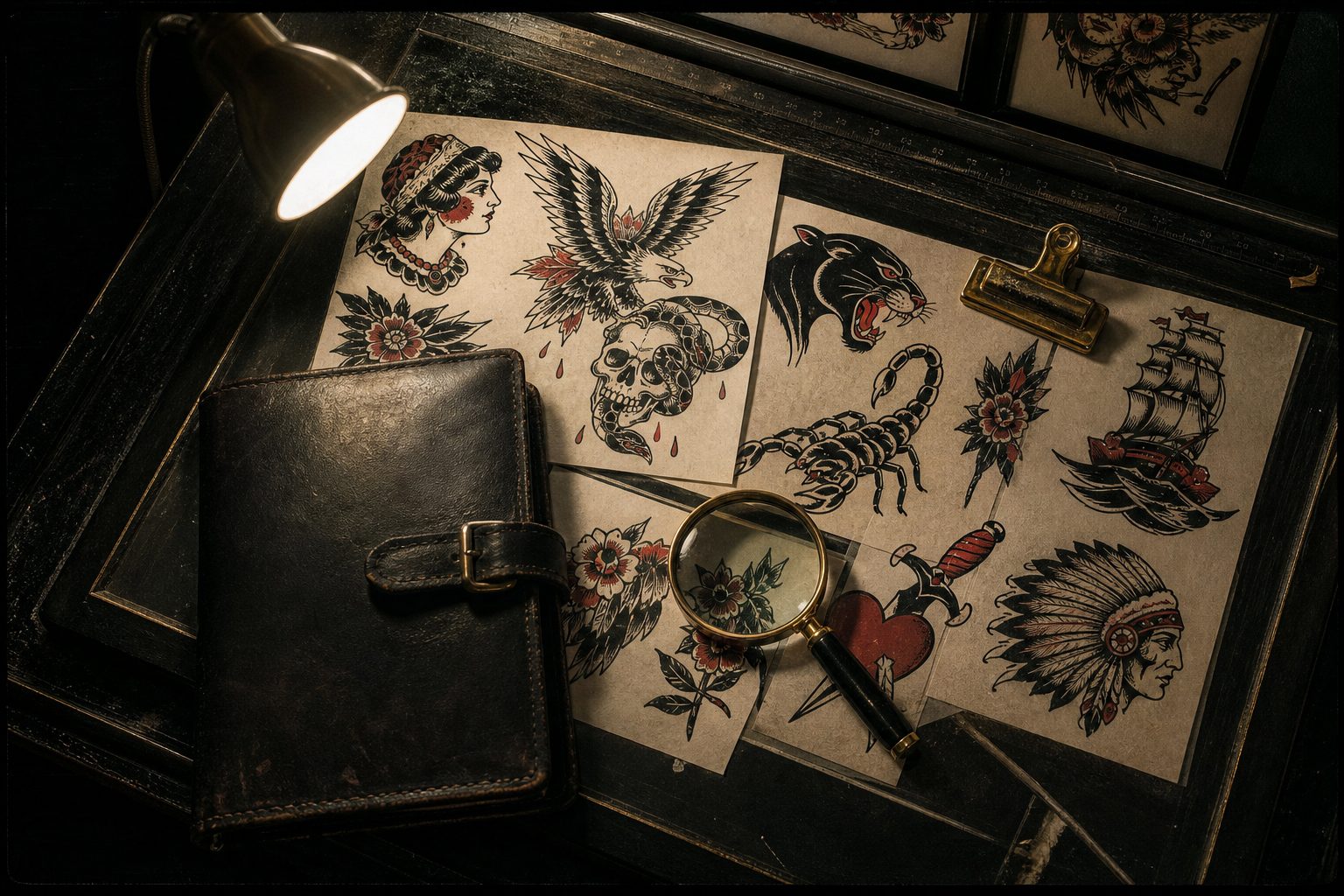 Ink and Ledger
The Cases: Solid Oak Sketches and Alexander v. Take-Two
Two cases in federal court put tattoo copyright in the spotlight: Solid Oak Sketches, LLC v. 2K Games, Inc., and Alexander v. Take-Two Interactive Software, Inc. Both involved the NBA 2K video games, where real NBA players' tattoos appeared as part of their digital likenesses. The tattoo copyright owners said the game-makers infringed their rights by reproducing the tattoos without permission.
In Solid Oak Sketches, a company that acquired the rights to several NBA players' tattoos sued the game studio. The claim centered on whether the studio needed a license to display those tattoos on virtual athletes. Alexander v. Take-Two was brought by an individual tattoo artist whose work appeared on LeBron James. The artist argued that her copyright was violated when the tattoos appeared in the games and in marketing.
Both cases forced the courts to consider how far a copyright in a tattoo extends once that tattoo becomes part of a person, especially when that person is constantly photographed, filmed, or reproduced in other media.
Keep reading: Why Tattoo Ink Formulas Keep Changing: REACH, FDA and Recalls
What Copyright Covers in a Custom Tattoo Design
Certain original tattoo designs are protected under US copyright law. The design must show a minimum of creativity, be fixed in a tangible medium (like a stencil or a finished tattoo), and not be a direct copy of someone else's protected art. Copyright does not cover ideas, styles, or techniques, only the specific way an image is expressed.
When a client is tattooed, the artist typically owns the copyright in the design itself, unless they transfer it in writing. This gives the artist the exclusive right to reproduce, distribute, and display that image. However, the client owns their skin and the right to show their body in public or in media, which is where many disputes start.
For custom commissions, the line between the design's copyright and the client's rights as the tattoo bearer can blur. These lawsuits asked just how far the artist's exclusive rights go once the tattoo is part of a living person, especially a public figure.
The Arguments That Decided Them: License, Fair Use, De Minimis
Implied License
Both courts looked closely at whether the tattoo wearer, by virtue of being tattooed, had the right to appear in public, on camera, or in other media without seeking the artist's permission each time. The concept of an "implied license" was central. If a client is tattooed, and it is understood that they will appear in public and in photos, then the artist is usually seen as having given an unwritten, broad license for those uses.
In both the Solid Oak and Alexander cases, the courts found that the NBA players had received an implied license to display their tattoos in public, to be filmed, and to have those images reproduced in the ordinary course of their careers. The courts reasoned that it would be unreasonable to expect a player to hide their tattoos each time cameras rolled.
Fair Use
The courts also considered whether the video games' use of the tattoos counted as "fair use." Fair use allows for certain uses of copyrighted material without permission, such as for commentary, news, or transformative purposes. The NBA 2K games used the tattoos as part of accurate digital representations of the players, not as standalone art or for the tattoos' own sake. This "incidental inclusion" weighed in favor of fair use.
Factors like the purpose of the use, the transformative nature of the video games, the amount of the tattoo shown, and the effect on the market for the original art all played a role. The courts found that the use was transformative and did not harm the artist's ability to profit from their designs.
De Minimis Use
The courts also considered whether the use was "de minimis," meaning too trivial to count as infringement. In the games, the tattoos appeared only as a small part of the players' overall likenesses. They were not the focus, and often appeared blurred or small on screen. The courts held that such incidental, background use did not rise to the level of actionable infringement.
These three arguments, implied license, fair use, and de minimis, framed the courts' decisions and set important precedents for how tattoo copyright works in the context of photography, video, and digital reproduction.
Keep reading: The Aftercare Sheet Checklist for Every Tattoo You Send Home
What the Alexander Jury Actually Awarded
The Alexander case went farther than Solid Oak, actually reaching a jury verdict. The artist, Catherine Alexander, argued that she was entitled to damages for the use of her custom designs on LeBron James in the NBA 2K games. The jury found in favor of the artist on the technical issue of copyright, but awarded nominal damages only, a symbolic amount, far less than the artist was seeking.
The jury clearly felt that while copyright rights were technically infringed, the harm to the artist was minimal. The tattoos formed only a tiny part of the larger work, and the use did not replace or harm the market for the original art. The damages awarded sent a message: small, incidental use of tattoos in images or media rarely results in significant payouts for the artist.
This outcome matters for tattooers and studio owners. While you maintain copyright in custom designs, the courts recognized the real-world expectation that clients will show their tattoos in public and appear in media.
Why an Implied License Matters More Than Bare Ownership
Owning the copyright to a tattoo design does not grant absolute control over every appearance of that tattoo. The courts stressed that by tattooing a client, an artist usually grants an implied license for some uses. If you tattoo an athlete, actor, or musician, you can expect your work to be seen on stage, screen, social media, or even on merchandise featuring that person's likeness.
This implied license protects clients from being sued each time they show up in a photo or video. For artists, it means that while you own your art, your control is not unlimited once the tattoo is worn on someone's body. If the client's use is the kind that is expected, such as being photographed or filmed, the courts are likely to see that as covered by the original agreement.
To restrict a client's use more tightly, you would need a written contract at the time of the commission. This is rare in the tattoo world. Most clients expect to own the right to show their ink as part of their daily lives. Trying to limit those rights can backfire and damage your reputation.
See how StencilIntake handles this for tattoo studios
Reproduction and Photo Terms in Your Consent Form
Why You Need Clear Language
The recent cases highlight the importance of clear, written terms in your client paperwork. Most shops use a consent form for health and safety reasons. That form is also the best place to spell out copyright and usage rights in plain language.
Include a clause stating that the design remains your intellectual property, but grant the client an express license to display the tattoo in photographs, video, and other media, whether for personal or professional purposes. This matches how courts view implied licenses, but puts it in writing so there is no confusion later.
Studio Promotion and Artist Portfolios
It is best practice to include a separate clause allowing the studio and artist to use photos of the finished tattoo for portfolios, websites, or social media. This right is not automatic. Even though you own the design, you need the client's permission to use photos of their body for promotion. Make it clear that their consent to be photographed is voluntary and can be withdrawn if they change their mind.
Sample Language for Forms
- "I understand that the design is the intellectual property of the artist, and I am granted a license to display it in public, including in photographs and video."
- "I consent to the studio photographing my tattoo and understand these images may be used in the artist's portfolio, social media, or promotional materials."
- "I have the right to withdraw my consent for use of my images at any time by notifying the studio in writing."
Consent forms should be reviewed every year or two. Laws and best practices change. Ask a local attorney if you make big changes or take on high-profile clients.
Client Supplied Art and Copying Another Artist's Flash
Client-Provided Reference Images
Many clients bring in images they found online or want to use as reference for a custom piece. If the reference is a photo, illustration, or tattoo flash by another artist, it may be copyrighted. Copying it exactly can lead to legal trouble, even if the client insists they have permission.
The courts in the NBA 2K cases dealt with original custom work, but the same principles apply to reference art. If you use someone else's design as the main element of your tattoo, you could be liable for copyright infringement. If a client provides a family photo or their own drawing, make sure they have the rights to use it this way. It is wise to add a line in your intake form where the client confirms they either own the image or have permission from the copyright holder.
Flash and Copyright Risk
Many flash sheets are protected by copyright, especially those from well-known artists or companies. Using someone else's flash for a paid tattoo without licensing it can lead to disputes or legal claims. If a client requests a tattoo based on flash by another artist, it is best to contact the original artist or decline the job. Even modifying a flash design may not protect you if the new tattoo is still recognizably based on the original.
Developing your own custom flash and keeping good records of your designs reduces risk. If you use stock images or flash, keep receipts and license info in your files.
Conclusion: Intake Tools That Handle Rights and Reference
The NBA 2K rulings make it clear: copyright in tattoo art exists, but implied licenses to wear and display ink are powerful. Most disputes can be avoided with clear paperwork and a thoughtful intake process that covers copyright, photo consent, and reference uploads. A digital intake tool that collects references, deposits, and aftercare instructions, and secures signed consent forms, saves time and prevents headaches for both artists and clients.
Why Tattoo Ink Formulas Keep Changing: REACH, FDA and Recalls
European pigment restrictions, FDA authority under MoCRA and repeated recalls for contamination keep reshaping what sits on the ink shelf. Here is what is changing and what to stock.
The Aftercare Sheet Checklist for Every Tattoo You Send Home
Wash schedule, film wear time, what counts as normal healing and when to call a doctor. A printable checklist for the aftercare sheet you hand over before the client leaves the chair.

What One Hour in Your Tattoo Chair Costs Before You Set a Rate
Rent, insurance, needles, ink, card processing and the hours you are not tattooing all land in one number. Work out your true cost per chair hour before you quote an hourly rate.