checklist
The Aftercare Sheet Checklist for Every Tattoo You Send Home
Wash schedule, film wear time, what counts as normal healing and when to call a doctor. A printable checklist for the aftercare sheet you hand over before the client leaves the chair.

 Ink and Ledger
Before the Client Leaves: The Verbal Walkthrough
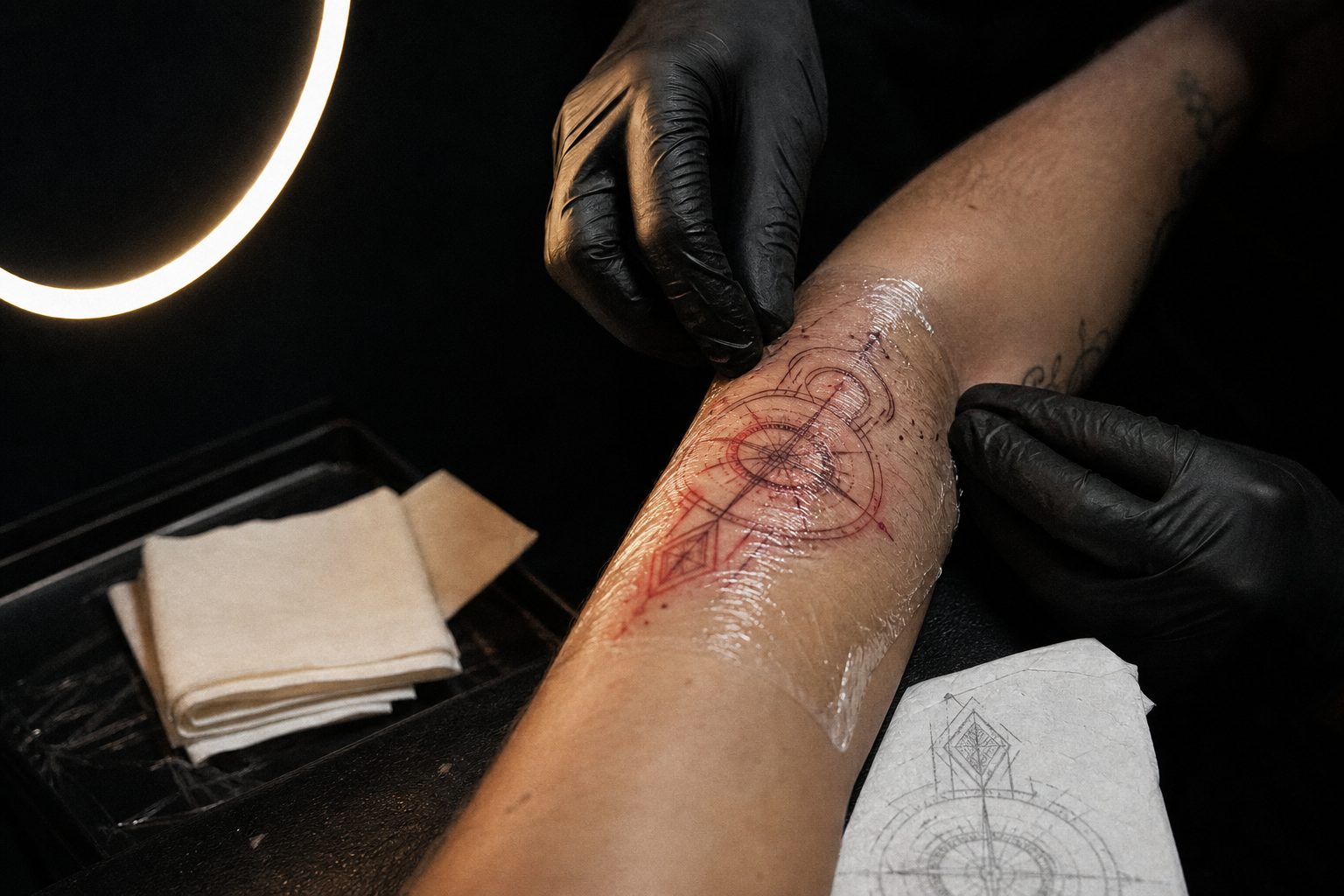
Before your client even stands up, give them a full walkthrough of what to expect and what is expected of them. This five-minute conversation sets the tone for the entire healing process. Go over the basics: how you cleaned the tattoo, what you used to wrap it, and when they can remove the initial covering. Check that they are alert and not lightheaded. Ask if they have questions and listen for anything you may need to clarify.
Some clients will have watched internet videos or had tattoos before, but shop procedures vary. Always assume this is their first professional aftercare briefing. Explain that every shop may give slightly different aftercare instructions and that following the sheet you provide is the safest bet for their particular tattoo and skin type.
Remind them that aftercare is as important as the work done in the chair. The end result depends on how they treat the tattoo over the next few weeks. Make it clear you are handing over responsibility, but you are also available for aftercare questions within reason.
Keep reading: What One Hour in Your Tattoo Chair Costs Before You Set a Rate
Wrap Choice: Adhesive Film, Cling Wrap or Dry Heal
Clients should know why you chose one wrap method over another. The three most common initial wraps are adhesive film, cling wrap, and dry heal (no wrap). Your aftercare sheet must specify which was used and why it suits their tattoo.
Adhesive Film
If you used a medical-grade adhesive film, explain its benefits: it keeps out bacteria, helps the tattoo weep less, and is waterproof for showers. Tell the client how long to leave the film on (usually 24 to 72 hours, depending on tattoo size and skin sensitivity). Warn against peeling the film off under hot water or after heavy sweating, as this can irritate fresh skin.
Cling Wrap
Some artists prefer food-grade cling wrap for the first few hours. If this is your method, remind clients to remove it after the time you specify, usually within two to six hours. Explain that cling wrap is not for long-term use; it traps moisture and heat, which can encourage bacteria after the first day.
Dry Heal
For small or non-oozing tattoos, dry heal may be your choice. Instruct the client to keep the tattoo exposed after you clean it, with no wrap. Note that they should keep pets, dirty hands, and dust away for the first day. Stress that the tattoo is vulnerable until the first thin scab forms.
The First 48 Hours: Wash, Pat, Repeat
The first two days are when most aftercare mistakes happen. Your sheet should lay out a step-by-step cleaning routine and specify what products are safe. Stress that regular soap with fragrance or antibacterial additives is not suitable: recommend a mild, unscented liquid soap. List a couple of drugstore brands that are easy to find in your area.
Initial Cleaning
As soon as the wrap comes off, the client must wash the tattoo gently. Have them use lukewarm water and fingertips, never a washcloth or sponge. The motion should be gentle, with no scrubbing. Rinse thoroughly but avoid soaking.
Paper towels or air drying is best for patting dry. Cloth towels can harbor bacteria and lint. Remind clients to use a new paper towel every time and to blot, not rub.
First Application of Ointment
After washing and drying, the client should apply a thin layer of ointment. Specify which ointments are acceptable, usually plain white petroleum jelly, Aquaphor, or a tattoo-specific aftercare balm. Warn them that too much ointment suffocates the skin and causes sticky buildup. A barely-there layer is enough.
Instruct clients to repeat the wash-pat-ointment routine two or three times daily, for at least the first two days. No picking, scratching, or letting the tattoo touch dirty surfaces. Emphasize clean hands every single time.
Keep reading: Working a Tattoo Convention: Permits, Booth Costs and Setup
Weeks Two and Three: Peeling, Itching and Sun Exposure
The next stage is when clients get impatient or worried. The tattoo will scab, peel, and itch. Your sheet needs to set expectations about what is normal and what needs attention.
Peeling and Scabbing
It is normal for a fresh tattoo to develop a thin, flaky layer or even small scabs. Clients should never pick or scratch these. Picking can pull out ink and leave scars. Use the word "patience" freely here. Explain that peeling can last up to two weeks, depending on placement and density of color.
Itching
Itching is a classic part of healing. Clients can tap gently around the tattoo or apply a bit more ointment if the area feels dry. Never recommend anti-itch creams unless you know they are safe for healing tattoos and do not contain steroids or fragrances. Remind clients that an ice pack wrapped in a clean towel can help.
Sun Exposure
Sun is the enemy of a fresh tattoo. The sheet must say clearly: keep the tattoo out of direct sunlight for at least three weeks. No tanning beds, no laying out at the pool. After the tattoo heals, suggest daily SPF on the area to protect color long-term.
Warning Signs That Need a Doctor, Not a Text Message
Every aftercare sheet should have a dedicated section for complications. Tell clients what is normal, slight redness, minor swelling, and a little clear fluid are expected. Then, make the red flags clear:
- Redness that spreads well beyond the tattoo after the first day
- Thick or yellow-green discharge, especially if it smells bad
- Fever, chills, or body aches
- Severe pain that worsens instead of easing
- Hard lumps or streaks under the skin
If any of these appear, the client should see a doctor right away. Spell it out: you are not a medical professional. Delays can turn a minor infection into a major problem. Some clients will still message the shop first, so include a line about when it is appropriate to call you and when to call urgent care.
See how StencilIntake handles this for tattoo studios
Swimming, Gyms, Work Uniforms and Pets
Many clients forget how their daily routines can affect a healing tattoo. The aftercare sheet should answer these common questions, saving you follow-up calls and texts.
Swimming
No swimming in pools, lakes, hot tubs, or oceans for at least three weeks. Water carries bacteria, and soaking can pull ink out of healing skin. Brief showers are fine, but submerging the tattoo is not.
Gyms and Exercise
Sweat itself is not dangerous, but crowded gyms, shared mats, and equipment are. Advise clients to skip the gym for the first week and to clean the tattoo before and after sweating. If the tattoo is under workout clothing, recommend loose, breathable fabrics.
Work Uniforms
If the client wears work gear that rubs or covers the area, tell them to cover the tattoo with loose cotton during shifts, or better yet, arrange for lighter duties if possible. Boots, gloves, or tight sleeves can cause friction and slow healing.
Pets
Pet hair and dirty paws are big risks. Clients should keep pets away from the tattoo, especially while it is unwrapped. Remind them to change bedding and wear clean clothes to bed.
The Touch Up Window and What It Does Not Cover
Every shop has a policy on free or discounted touch ups. Your sheet should explain this clearly. Tell the client how long they need to wait before a touch up, often four to eight weeks, depending on healing. List what is covered: patchy color, light spots, or minor line gaps. State what is not covered: damage from scratching, sunburn, or improper aftercare.
Remind clients to bring the aftercare sheet or photos of the healed tattoo to their touch up appointment. This helps you track how well they followed instructions. Make it clear that ignoring aftercare advice can void the touch up offer. If the touch up window closes, new work is a new commission.
Some shops require a new deposit for touch ups if the client misses the window. Say so up front to avoid hard feelings later.
Printing, Signing and Handing Over the Sheet
No matter how detailed your verbal instructions, nothing beats a written aftercare sheet. Print it before the appointment. Hand it over as the client gets up from the chair, not at the front desk. Go through the checklist, cross off anything that does not apply, and have the client initial or sign the form. This protects both artist and client if there are healing problems later.
Keep a digital or paper copy with the client's file. Some shops scan signed sheets into their booking software. This habit saves headaches if disputes come up about aftercare advice or touch up eligibility.
Today, custom consultation tools can automatically send aftercare sheets, record deposits, and collect signatures. A system that handles reference uploads and aftercare delivery keeps your process organized and reduces paperwork. This lets you focus on the client experience and the tattoo itself, not just the forms.

What One Hour in Your Tattoo Chair Costs Before You Set a Rate
Rent, insurance, needles, ink, card processing and the hours you are not tattooing all land in one number. Work out your true cost per chair hour before you quote an hourly rate.
Working a Tattoo Convention: Permits, Booth Costs and Setup
Temporary body art permits, booth fees, travel and a portable station that passes inspection. What a convention weekend actually asks of you, and what comes back after expenses.

How to Run a Custom Tattoo Consultation That Ends in a Deposit
A step by step walkthrough of the consultation that turns a vague inquiry into a sized, placed, priced piece with a signed deposit and a stencil plan you can actually draw.