trends and outlook
Why Tattoo Ink Formulas Keep Changing: REACH, FDA and Recalls
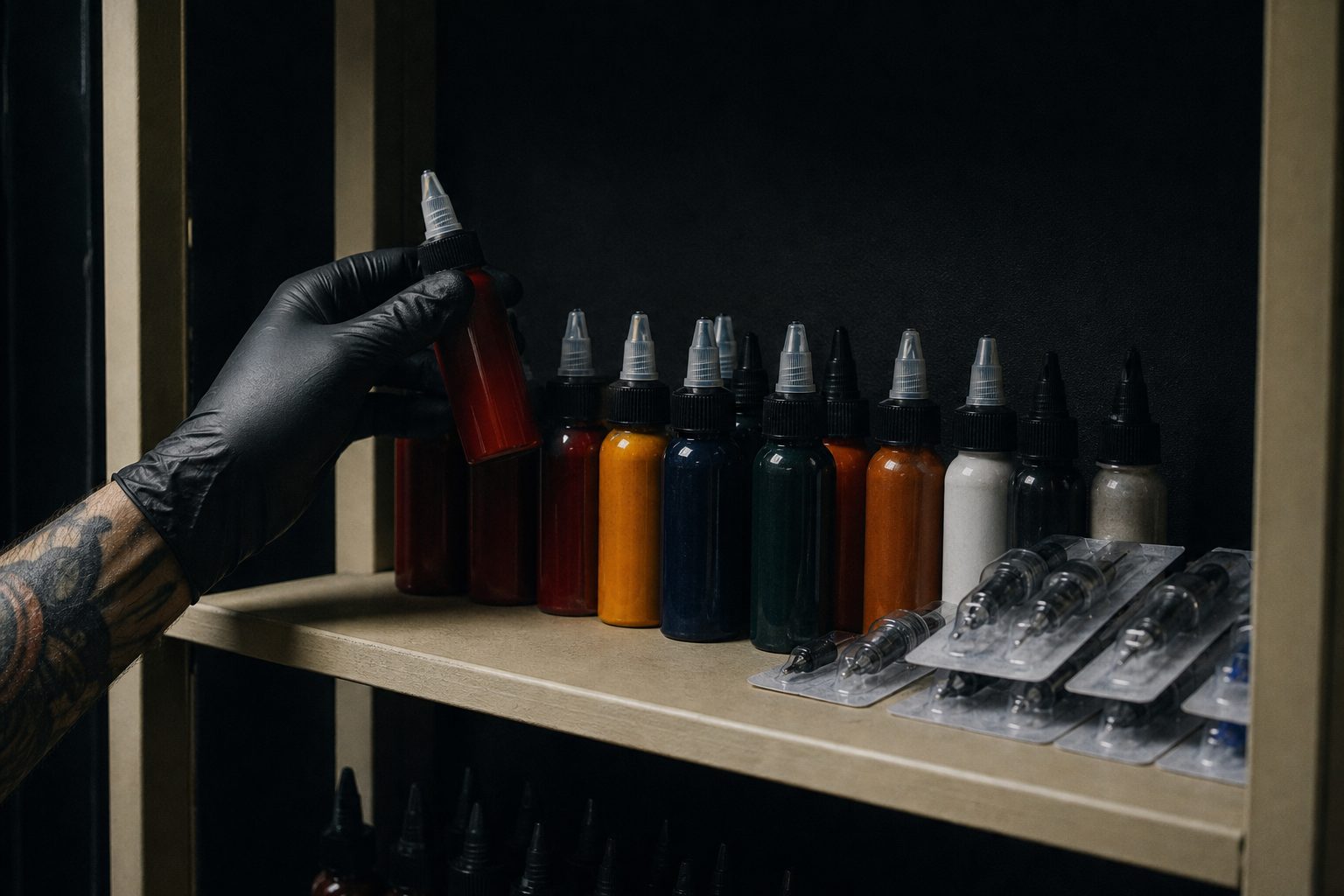
European pigment restrictions, FDA authority under MoCRA and repeated recalls for contamination keep reshaping what sits on the ink shelf. Here is what is changing and what to stock.

 Ink and Ledger
How Tattoo Inks Are Regulated in the United States
Tattoo inks have always existed in a gray area between cosmetics and medical products. In the United States, the Food and Drug Administration (FDA) regulates tattoo inks as cosmetics under the Federal Food, Drug and Cosmetic Act. However, for decades, the agency rarely exercised direct oversight unless public health incidents arose.
Most ink manufacturers in the US have operated with limited government intervention. The FDA's primary concern has been contamination, unapproved color additives, and adverse reactions. Ink pigments themselves, especially those used for color, have often relied on substances originally developed for other industries, including printing, plastics, and textiles.
State and local health departments typically oversee the operation of studios and the hygiene of procedures, but they rarely test or approve ink formulas. This division creates a patchwork of enforcement. States may require source documentation for inks, yet few test the product. This means most responsibility falls on artists and studio owners to vet their suppliers.
When product recalls or contamination warnings arise, the FDA works with manufacturers for voluntary recalls rather than ordering removals. In practice, this means contaminated or non-compliant inks can remain in some shops until word spreads and artists act.
Keep reading: The Aftercare Sheet Checklist for Every Tattoo You Send Home
What MoCRA Changed for Ink Manufacturers
The Modernization of Cosmetics Regulation Act (MoCRA), signed into law in late 2022, brings the most sweeping changes to tattoo ink oversight in US history. MoCRA updates how the FDA approaches cosmetic products, including tattoo inks, by adding new powers and requirements.
Before MoCRA, manufacturers did not have to register their facilities or list their products with the FDA. Now, any business that manufactures or processes cosmetic products for US distribution, including tattoo inks, must register and renew that registration biennially. MoCRA requires detailed ingredient disclosures and contact information for responsible parties.
Starting in 2024, MoCRA also mandates adverse event reporting. If a studio or manufacturer learns of a customer experiencing a significant reaction to a tattoo ink, they must report it to the FDA within 15 business days. This includes infections, allergic responses, and other medical complications linked to inks.
For tattoo studios, this means heightened scrutiny of suppliers. Studios must ask for documentation proving compliance: supplier registrations, ingredient lists, and safety data sheets. If an adverse event occurs, records must be kept and the incident reported. Studios that import inks from overseas face added risk if those products are not registered with the FDA.
MoCRA also empowers the FDA to order mandatory recalls of dangerous products. In the past, the agency relied mainly on voluntary recalls. Now, if a pigment or ink is found to pose a health risk, the FDA can require its removal from the market.
European REACH Restrictions and the Ripple Into US Supply
While US studios focus on FDA rules, European regulations have driven major changes in pigment availability worldwide. The EU's Registration, Evaluation, Authorisation and Restriction of Chemicals (REACH) regulations strictly limit which chemicals can be used in tattoo inks within the European market.
REACH has banned several pigments and preservatives common in US inks, especially certain blues, greens, and reds. The restrictions are based on potential health risks, including links to cancer or skin sensitization. Manufacturers seeking to sell in Europe have had to reformulate many of their colors, phasing out banned substances for alternatives that meet REACH thresholds.
Impact on US Availability
Many US ink brands are international and align their formulas to meet the strictest standard. When large markets like the EU ban specific pigments, manufacturers often stop producing those inks entirely or alter the formulas globally. This leads to discontinued colors, supply gaps, and a narrower selection for US artists.
Importers sometimes face customs delays or refusals if their products do not align with European norms, further reducing what is available on US shelves. Studios may notice certain favorite blues or greens disappearing or being reformulated, often with little advance notice.
Smaller Batch Producers
Some small US-based pigment makers continue to offer legacy formulas without changes, especially if they do not export to Europe. However, these inks may eventually face scrutiny under MoCRA or be targeted if a health incident arises.
For artists, this means reading labels more closely and checking with suppliers about formula changes. Colors can shift in hue or performance as new pigments replace banned ones, so test swatches and healed results become essential before widespread use.
Keep reading: What One Hour in Your Tattoo Chair Costs Before You Set a Rate
Recalls and Contamination Advisories: How to Check a Lot
Contamination with bacteria or heavy metals is the top reason for tattoo ink recalls in the US. The FDA and some state agencies issue public advisories when testing finds harmful organisms like Bacillus or Pseudomonas in certain batches. Artists often first hear of these recalls through online forums or word of mouth, but checking official sources is key.
To verify if a batch is recalled, compare the lot or batch number on the bottle to the numbers listed in FDA advisories. Manufacturers announce recalls on their websites and social media. Some industry associations and trade publications keep running lists of affected lots.
What to Do With a Recalled Batch
If you have a recalled ink, do not use it on clients. Seal and set it aside, then contact the manufacturer for instructions. Most companies offer refunds or replacements when provided with proof of purchase and photos of the product and lot number. Studios should document the removal of the ink from their shelf and note any sessions done with the affected lot.
Disposal should follow local hazardous waste guidelines, especially if the recall is for chemical contamination. Never pour inks down the drain, as many ingredients are not safe for municipal water systems.
Preventing Mix-Ups
Maintain a list or spreadsheet of all inks used, with their lot numbers and suppliers. This allows for quick checks when new advisories are issued. As recalls can affect multiple states or even countries, being able to track inks by batch protects both the studio and clients.
Studios using older bottles or decanted inks should keep original packaging or labels until all ink is used. Without lot numbers, it becomes almost impossible to confirm if a product is involved in a recall.
Reformulated Blues and Greens and What Changes in the Skin
Blue and green tattoo inks have faced the most dramatic changes in recent years due to both REACH and increased scrutiny under FDA guidelines. The main pigments affected include Pigment Blue 15:3 (phthalocyanine blue) and Pigment Green 7 (phthalocyanine green), both of which have been essential for bright, long-lasting colors.
European restrictions targeted these pigments over concerns about potential breakdown products and toxicity. As a result, manufacturers have sought alternatives that comply with EU law and anticipate tighter US oversight.
Performance of Alternative Pigments
New blues and greens often rely on different organic compounds or blends. These may heal differently in the skin, with some formulas showing more rapid fading, shifts in tone, or altered coverage. Artists report that some replacement greens look duller after healing, or that new blues can pull more turquoise or gray.
Testing on practice skins and watching healed results over time is now standard practice. Many artists document healed tattoos and compare color retention between batches. Adjustments in technique, such as layering or mixing, may help compensate for weaker coverage or altered consistency.
Allergic and Sensitivity Reactions
Changes in pigment chemistry can also affect the rate of allergic reactions. While rare, some clients may experience itching, swelling, or raised skin with new formulas. Studios should watch for patterns and keep records of any adverse responses linked to specific ink batches or colors.
It is advisable to perform small test spots with new colors, especially on clients with a history of sensitivities. Communication with the manufacturer about ingredients and aftercare recommendations helps reduce risk.
See how StencilIntake handles this for tattoo studios
Records to Keep: Lot Numbers, Batch Sheets and Client Reactions
Documentation is now a core part of risk management for studios. With new regulations and more frequent recalls, studios must track which inks are used on which clients, down to the lot number and date.
A best practice is to record the brand, color, lot number, and date of use in each client's file. Some studios use intake forms that include a checklist for every ink applied during a session. Digital or paper records both work, as long as information is accessible if needed.
Batch Sheets and Safety Data
Request a batch sheet or safety data sheet (SDS) from every supplier for each ink in stock. These sheets provide ingredient lists, manufacturing dates, and safety guidance. Keep these on hand for quick reference if a recall is issued or if a client experiences a reaction.
If a client calls with concerns weeks or months after a tattoo, being able to trace the exact ink used makes it easier to respond and, if necessary, report the event to the FDA. Studios that can quickly provide documentation protect themselves from liability and support public health tracking.
Collecting Client Feedback
Follow-up with clients about healing and any issues has become more important. Some studios use digital aftercare forms or check-ins to gather information about reactions or healing problems. This data helps spot patterns early, especially with new or reformulated inks.
Studios should train all staff to recognize signs of allergic or infectious reactions and to document these events fully, including photos and detailed notes. This supports both compliance and quality of care.
What to Expect on the Shelf Over the Next Few Years
Tattoo ink shelves will keep changing as new regulations and market forces play out. Studios can expect more frequent formula changes, especially for blues, greens, reds, and some blacks as pigment makers shift away from ingredients flagged in Europe and under US review. Labels will feature more detailed ingredient lists, batch numbers, and compliance statements.
Some long-standing shades may disappear or return with different performance. Studios will need to test new batches regularly, keep detailed records, and communicate openly with clients about changing formulas. More digital tools will emerge to help manage intake, document ink usage, and streamline aftercare follow-up, reducing the paperwork burden while meeting regulatory requirements.
Studios looking to stay ahead should invest in systems that collect and store client intake, reference uploads, deposit records, and aftercare delivery, making it easier to track inks, manage compliance, and respond quickly to any changes or advisories.
The Aftercare Sheet Checklist for Every Tattoo You Send Home
Wash schedule, film wear time, what counts as normal healing and when to call a doctor. A printable checklist for the aftercare sheet you hand over before the client leaves the chair.

What One Hour in Your Tattoo Chair Costs Before You Set a Rate
Rent, insurance, needles, ink, card processing and the hours you are not tattooing all land in one number. Work out your true cost per chair hour before you quote an hourly rate.

Working a Tattoo Convention: Permits, Booth Costs and Setup
Temporary body art permits, booth fees, travel and a portable station that passes inspection. What a convention weekend actually asks of you, and what comes back after expenses.