regulation and compliance
Tattoo Shop Permits, Training and the Records Inspectors Ask For
State body art permits, bloodborne pathogens training and an exposure control plan all leave a paper trail. Here is the file an inspector opens first and what belongs in it.

 Ink and Ledger
State Artist Licenses Versus Facility Permits
Most tattoo shops quickly learn that both the business and each tattoo artist need separate credentials. State health departments, or sometimes city or county agencies, require studio permits for the physical location. These permits show that your shop meets local standards for sanitation, safe facility design, and waste disposal. Inspectors check that you have the original certificate posted near the entrance or in a prominent place.
Alongside the shop's facility permit, every tattooist must keep a current state-issued artist license. This license demonstrates that the artist has completed the training and qualifications required by state law. The application process usually asks for proof of completing bloodborne pathogens training, a background check, and sometimes a minimum age requirement. Studios need a system to track expiration dates for all licenses and renewals, since some states require annual updates while others allow longer periods.
If your shop allows visiting or guest artists, you will need extra documentation. Some states issue temporary artist permits valid for one to two weeks, while others require a separate registration for each new artist. Always keep a copy of each artist's permit or license in a binder or digital file accessible to inspectors. During an inspection, one of the first things an official will ask for is the full set of current artist licenses and the facility permit.
Keep reading: What the NBA 2K Tattoo Copyright Rulings Changed for Custom Work
Bloodborne Pathogens Training and Hepatitis B Vaccination Records
Tattooing involves frequent contact with blood and bodily fluids, so health departments mandate that all staff receive bloodborne pathogens training before performing any procedures. Most states recognize online or in-person courses that follow OSHA standards. Certificates of completion are required for each artist and must be renewed every year in several regions. Training covers routes of transmission, safe work practices, and what to do in case of an exposure incident.
Another key document is the Hepatitis B vaccination record or a signed declination form. OSHA's Bloodborne Pathogens Standard requires that employers offer the Hepatitis B vaccine series to artists at no cost, usually within ten days of hire. Artists can decline, but they must sign a declination form that stays in their personnel file. Inspectors will check for proof of vaccination or signed declinations for every staff member who may encounter blood, including apprentices and piercers.
Keep all training certificates and vaccination paperwork in a dedicated folder within easy reach. Studios often maintain a master binder at the reception desk or office. Digital copies are acceptable in some states, but always confirm whether your local health department allows electronic records. If an artist's training or vaccine record is missing, an inspector may order immediate corrective action or temporarily suspend that artist's ability to work.
The Written Exposure Control Plan and Sharps Handling
Every tattoo business must create and maintain a written Exposure Control Plan (ECP). The ECP lays out your shop's procedures for minimizing contact with bloodborne pathogens, from handwashing rules to handling contaminated waste. OSHA requires that the ECP be reviewed and updated at least once a year, and all staff must know where to find it. Inspectors will usually ask to see this document and may question staff about its contents.
Key Elements of an ECP
Your plan must describe engineering controls such as hand sinks, sharps containers, and any barriers used to reduce splatter. It should spell out work practices, including the use of gloves, hand hygiene steps, and cleaning protocols for workstations and equipment. The plan also details how contaminated needles and razors are handled and disposed of.
Include procedures for what happens after a needlestick or exposure incident: whom to notify, how to document the event, and where to seek medical evaluation. The ECP should indicate the location of Material Safety Data Sheets (MSDS) for disinfectants and cleaning products used in the shop.
Sharps Containers and Waste Log
Proper sharps disposal is non-negotiable. Tattoo shops must use puncture-resistant, clearly labeled containers for needles, razors, and other sharp objects. Most states require that a licensed medical waste disposal company handle full sharps containers. Keep shipping manifests or disposal receipts on file. Some inspectors will check for completed logs showing regular pickup or disposal dates. Improper disposal is a common citation and can lead to steep fines or temporary closure.
Keep reading: Why Tattoo Ink Formulas Keep Changing: REACH, FDA and Recalls
Sterilization: Spore Test Logs and Single Use Items
Equipment that contacts blood or body fluids must be sterile. If your studio uses autoclaves for reusable tools or tubes, you must keep a log of every sterilization cycle. The log should include the date, time, load contents, and operator initials. Most states require regular spore testing, usually every thirty days, using a biological indicator to confirm the autoclave is killing bacteria and spores. Save every spore test result for at least three years, or as your state requires.
During inspections, officials will request to see the sterilization log and spore test results. If there is a failed spore test, you must document corrective action, such as pulling contaminated tools and retesting the autoclave before resuming use. Failure to maintain these records or to provide them during an inspection often results in immediate orders to stop using the autoclave until compliance is restored.
Single-use items, such as needles, gloves, ink caps, and razors, must be discarded after each client. Keep packaging and purchase receipts for these supplies, as some inspectors may ask to see evidence that you use only pre-sterilized, single-use equipment. Never reuse single-use items. If your studio uses only disposable equipment, this can reduce paperwork but does not eliminate the need for logs showing proper disposal of sharps and contaminated waste.
Some states also require a written procedure for cleaning and disinfecting work surfaces, along with a log showing when and how these tasks are completed. If you use chemical disinfectants, keep Safety Data Sheets and instructions on hand for staff and inspectors to review.
Client Records, Consent Forms and Retention Periods
Every tattoo studio must keep accurate records for each client. These files serve as proof that you followed state rules for informed consent, medical screening, and aftercare instructions. Inspectors want to see signed consent forms, health questionnaires, and copies of aftercare sheets given to clients. Many states require that these records include a description of the tattoo, the location on the body, the date, and the artist's name.
What Must Be Included
Consent forms should outline the risks of tattooing and confirm that the client is voluntarily agreeing to the procedure. Medical screening questions often ask about allergies, bleeding disorders, pregnancy, and recent alcohol or drug use. Aftercare instructions must be provided in writing, covering wound care, signs of infection, and when to seek medical attention.
Some states require a photo of the client's ID attached to the record, or a copy of the signed consent kept on file. Ask clients to print and sign their legal name and verify that all fields are complete before starting any work. Incomplete forms are a frequent reason for citations during health department inspections.
How Long to Keep Client Records
Most states require studios to keep client records for at least two to three years, although some mandate longer retention, especially for clients who are minors at the time of service. Keep records organized and accessible, either in a secure filing cabinet or in a password-protected digital system. Inspectors may review a random sample of client files to ensure compliance.
If you switch from paper to electronic records, be sure to back up files and restrict access to authorized staff only. Loss of client records, whether by accident or theft, can result in citations or worse if you cannot prove that you followed all required procedures.
See how StencilIntake handles this for tattoo studios
Age Verification and Identification Rules
Nearly every state prohibits tattooing minors under eighteen, with limited exceptions for parental consent or medical necessity. Studios must check a valid, government-issued photo ID for every client, even if the person appears well above the legal age. Acceptable IDs include driver's licenses, state identification cards, military IDs, and passports. Some states set additional requirements for parental consent, such as notarized forms or in-person signatures.
Acceptable Forms of ID
Always verify that the ID is current and matches the client's name on the consent form. Make a copy or record key details: ID type, number, and expiration date. Many shops keep a photocopy with the client's record or log the information in a secure digital file. Inspectors may ask to see proof of age for a sample of recent clients, and failure to document this is a common citation.
For minors allowed under state law, studios must also keep records of parental consent and, in some cases, proof of legal guardianship. Not all states allow any tattooing of minors, even with parental permission, so check your local requirements before agreeing to these commissions.
Common Pitfalls and How to Avoid Them
Never accept school IDs, employee badges, or other unofficial identification. Expired documents are not valid. If there is any doubt, err on the side of caution and refuse service until proper ID is provided. Staff should be trained to spot altered or fake IDs. Having a written policy and a checklist for ID verification reduces mistakes and protects your studio's license.
What Happens After a Failed Inspection
A failed health department inspection can have immediate and lasting consequences for your studio. Depending on the severity of the violations, the inspector may issue a warning, order corrective action within a set timeframe, or temporarily shut down part or all of your operation. Common reasons for failing an inspection include missing records, expired artist licenses, inadequate sterilization logs, unsanitary workstations, and incomplete client files.
If your shop receives a citation, you will be given a written report listing the violations and the deadline for fixing each one. In most cases, studios must provide proof of compliance, such as updated training certificates, corrected logs, or new written policies, before reopening or passing a follow-up inspection. Repeat violations, especially for issues like improper sterilization or underage clients, can lead to higher fines, longer closures, or permanent license revocation.
To avoid these outcomes, designate a staff member to oversee compliance and keep all required documents organized and current. Many shops use digital systems to track training, licenses, and client records, making it easier to respond quickly if an inspector asks for proof. Comprehensive intake tools that handle consent forms, ID verification, deposit collection, and aftercare instructions can help shops maintain the complete, accurate records that inspectors expect.

What the NBA 2K Tattoo Copyright Rulings Changed for Custom Work
Two federal court fights over tattoos in NBA 2K set out how far a copyright in your custom work reaches. Read what the rulings turned on and what to put in your client paperwork.
Why Tattoo Ink Formulas Keep Changing: REACH, FDA and Recalls
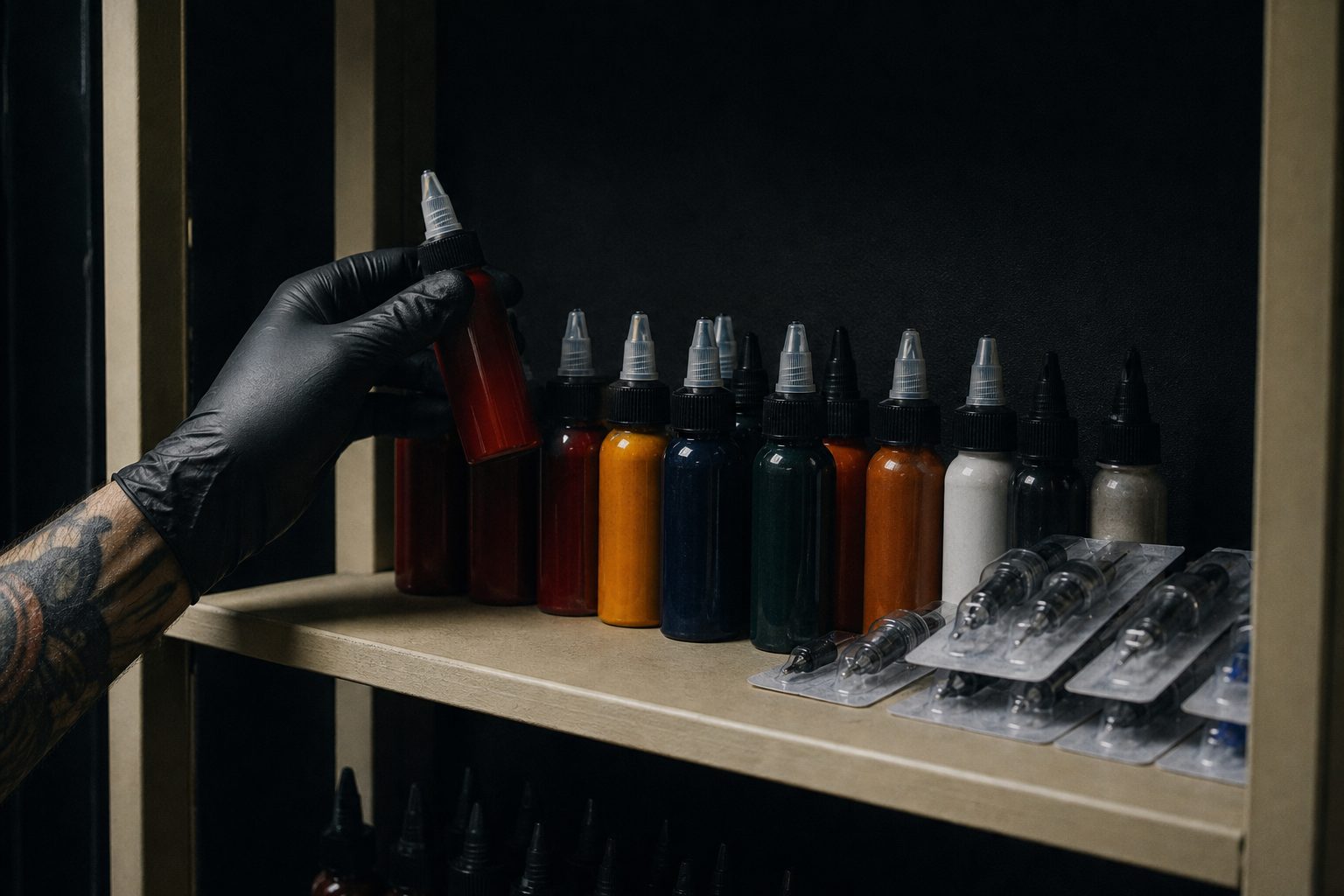
European pigment restrictions, FDA authority under MoCRA and repeated recalls for contamination keep reshaping what sits on the ink shelf. Here is what is changing and what to stock.
The Aftercare Sheet Checklist for Every Tattoo You Send Home
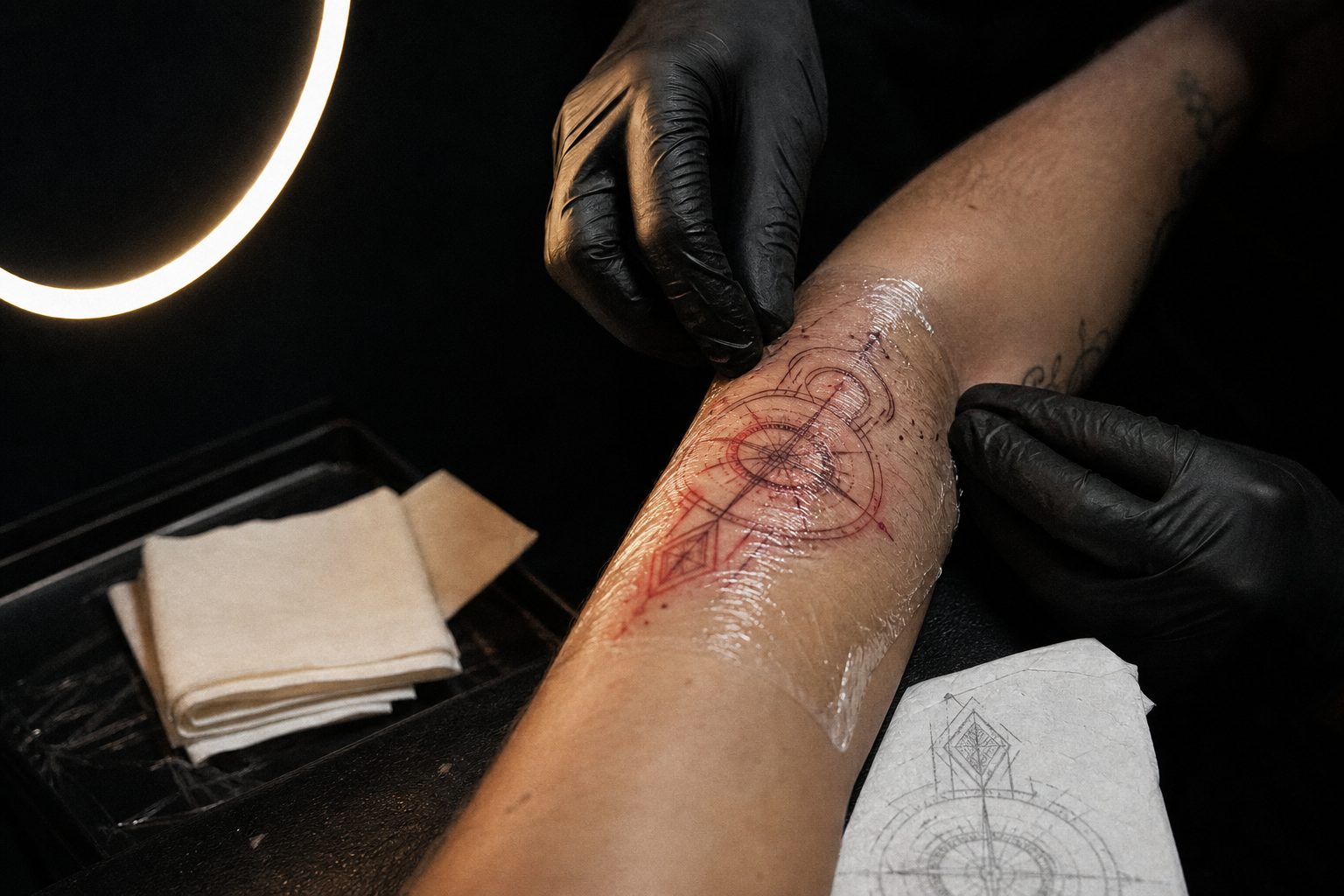
Wash schedule, film wear time, what counts as normal healing and when to call a doctor. A printable checklist for the aftercare sheet you hand over before the client leaves the chair.